SMIC aims to deliver sanction-resistant 5nm processors for Huawei this year.
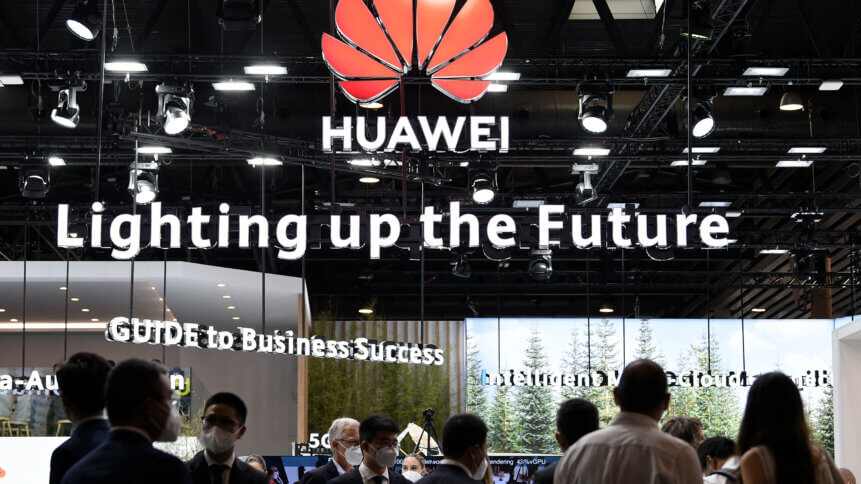
SMIC sets up new production lines in Shanghai for mass-producing Huawei-designed 5nm chips.
SMIC’s 5nm process won’t use EUV lithography due to tool unavailability from ASML. Stockpiled DUV lithography will be used instead. Experts anticipate Huawei’s smartphone performance boost with this new production node this year. In the dynamic (动态的) landscape of the global semiconductor industry, China has emerged as a critical (关键的) player, striving for self-sufficiency (自给自足) in chip production. Semiconductor Manufacturing International Corp (SMIC), China’s largest state-backed chipmaker, stands at the forefront of this endeavor, spearheading efforts to bolster (加强) the country’s semiconductor industry and reduce reliance on imports. Despite facing sanctions (制裁) and technological hurdles (障碍), the company had most recently made significant strides (显著进展) in advancing chip fabrication processes by establishing new semiconductor production lines in Shanghai aimed at mass-producing chips using cutting-edge (尖端的) 5nm fabrication technology.
Example
The dynamic landscape of the industry requires constant innovation. 该行业的动态环境需要不断创新。
This move underscores SMIC’s commitment to staying abreast (了解最新情况的) of technological advancements (进展) and positioning China as a global leader in semiconductor manufacturing. A recent report by the Financial Times claims SMIC will be collaborating (合作) with Huawei Technologies to produce next-generation smartphone processors this year. “The country’s biggest chipmaker, SMIC, has put together new semiconductor production lines in Shanghai, according to two people familiar with the move, to mass produce the chips designed by technology giant Huawei.”
Example
The company must stay abreast of technological advancements to remain competitive. 公司必须了解最新技术进展,以保持竞争力。
SMIC’s collaboration with tech giant Huawei is poised to play a pivotal (关键的) role in China’s semiconductor push. Through this partnership, SMIC aims to produce high-performance chips designed by Huawei, using its state-of-the-art fabrication capabilities.
Example
Their pivotal role in the project cannot be overstated. 他们在项目中的关键作用不可低估。
In short, this strategic alliance (联盟) enhances SMIC’s technological prowess (实力) and underscores the synergy (协同效应) between state-backed enterprises and leading technology firms in driving China’s semiconductor revolution.
Example
The alliance between the companies is expected to yield significant benefits. 公司之间的联盟预计将产生重大收益。
Ultimately, the goal is to reduce dependence on foreign chip imports.
The move came when Beijing combined strategic partnerships and international collaborations to accelerate (加速) its semiconductor advancements. The country has forged (建立) partnerships with leading semiconductor companies and research institutions worldwide, facilitating (促进) technology transfer and knowledge exchange to bolster (增强) its semiconductor ecosystem.
Example
They forged a partnership to accelerate the project. 他们建立了合作伙伴关系,以加速项目进展。
But China’s semiconductor ambitions have not been without challenges and controversies. China’s semiconductor industry still lags behind (落后) its global counterparts in some critical regions, such as advanced process technology and design capabilities. Achieving true technological sovereignty (主权) remains an uphill battle (艰难的战斗), requiring sustained investments, talent cultivation (培养), and policy support.
Example
Achieving technological sovereignty is an uphill battle. 实现技术主权是一场艰难的战斗。
To top it off, the country has faced accusations of intellectual property theft, industrial espionage (间谍活动), and unfair trade practices, prompting scrutiny (审查) and backlash (强烈反对) from the international community.
Example
The accusations have prompted scrutiny from regulators. 指控引起了监管机构的审查。
What does SMIC have planned for its 5nm collaboration with Huawei? The decision to advance chip production despite sanctions reflects China’s strategic imperative to reduce reliance on foreign technology and assert its technological prowess on the world stage. China has invested heavily in semiconductor research and development in recent years, aiming to close the technological gap with leading chip-producing nations such as the US and Taiwan.
So SMIC’s efforts to set up new semiconductor production lines in Shanghai signify a pivotal moment in China’s quest, especially by harnessing Huawei’s expertise in chip design and SMIC’s manufacturing capabilities. What’s more, the collaboration between SMIC and Huawei highlights the synergy between state-backed enterprises and leading technology companies in China.
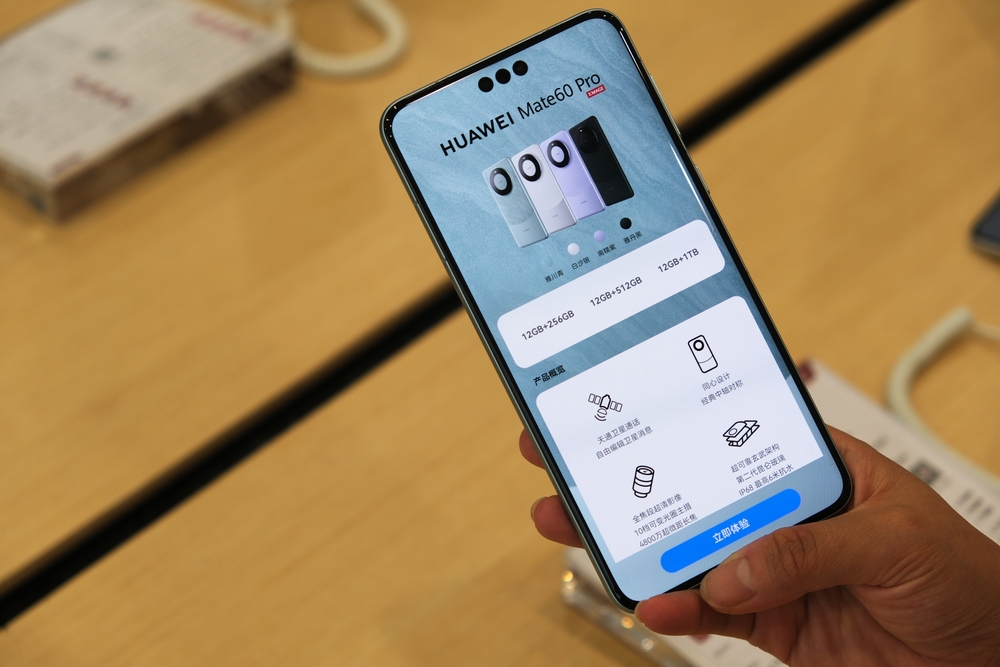
Can the SMIC 5nm process build on the success of the Huawei Mate Pro 60? Two sources familiar with the plans revealed to the FT that SMIC intends to utilize its current US and Dutch equipment inventory to manufacture more minor 5nm chips. This production line will manufacture Kirin chips developed by Huawei’s HiSilicon unit, slated for upcoming iterations of its flagship smartphones.
Despite trailing behind the cutting-edge 3nm chips, the adoption of 5nm technology signifies China’s semiconductor sector’s steady advancement despite US export restrictions. “With the new 5nm node, Huawei is well on track to upgrade its new flagship handset and data center chips,” one person familiar with the plans told the FT.
For context, SMIC’s 7nm and 5nm chip production lines utilize US machines accumulated before facing restrictions. Additionally, its fab includes ASML lithography machines acquired last year. However, the Dutch government’s recent revocation (撤销) of export licenses for advanced machines has hindered ASML from selling to China.
Example
The revocation of export licenses has caused significant delays. 出口许可证的撤销造成了重大延误。
“SMIC is facing a more significant roadblock (障碍) for production expansion after the US and its alliance tightened export restrictions on advanced chipmaking gear,” one person close to the company told the FT. “Still, the fate of China’s chip industry and its technological development in the coming years will depend on these production lines by SMIC.”
Example
They encountered a roadblock that delayed the project. 他们遇到了一个延误项目的障碍。
Huawei has recently made waves with its Mate 60 Pro, boasting a 7nm processor that spurred a 50% surge in Chinese shipments in 2023. If successful for smartphones, SMIC’s 5nm product could extend to Huawei’s Ascend 920, narrowing the gap (缩小差距) with Nvidia’s GPUs. Of course, the push for more advanced chips has resulted in added expenses.
Example
The new product line aims at narrowing the gap with competitors. 新产品线旨在缩小与竞争对手的差距。
Sources close to Chinese chip firms revealed that SMIC charges 40 to 50% higher prices for products from its 5nm and 7nm nodes than TSMC. Additionally, SMIC’s yield (产量), or the number of usable chips, is less than one-third of TSMC’s.
Example
The yield of the new process is currently below expectations. 新工艺的产量目前低于预期。